Detroit beat in 2026
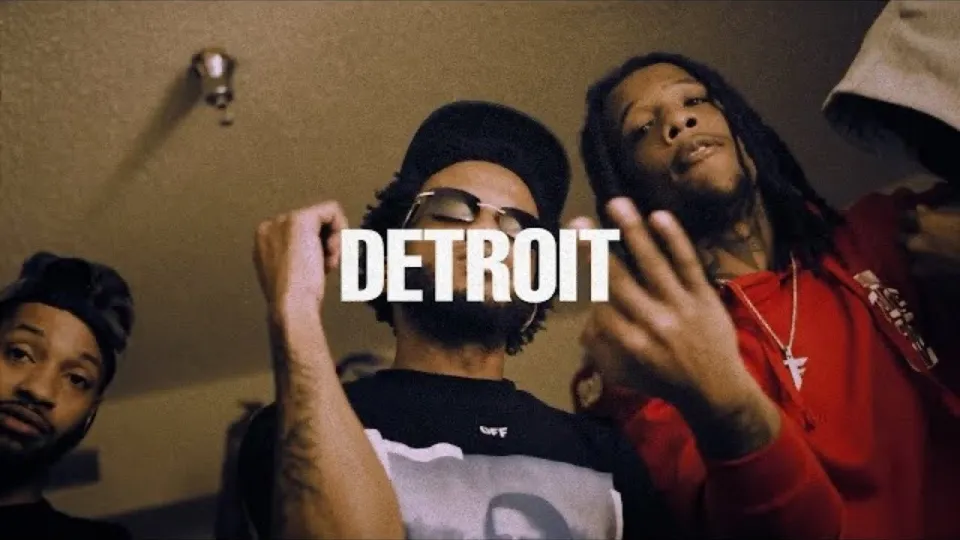
Video: [FREE] Detroit Type Beat - "Trenches"
Want articles like this for your own video to promote it on YouTube and Google? Order them through the Telegram bot @sat_sit_bot. Articles with your video embedded are written and posted by the bot itself — on popular topical sites (no ads). Try it free: 50 articles on us.
· based on the channel Damerunitup
A Detroit beat is a sparse, hard-hitting rap instrumental built on booming 808s, sharp hi-hats and minor-key piano or synth loops, and the free "Trenches" type beat by producer Damerunitup is a textbook example you can download right now at the buy-one-get-one-free page. The track was published on the Damerunitup channel and is aimed at rappers who want a dark, street-ready canvas without paying upfront. In practice, a Detroit beat like this works best when you treat it as a template: slow it down, write to the pocket, and only then decide whether you need the paid license for streaming.
What makes a Detroit beat different from other rap instrumentals
A Detroit beat is defined less by geography than by a specific set of production habits: minimal melodic content, heavy low end, and a rhythm section that swings between half-time and double-time. In "Trenches" you get the classic ingredients — a brooding loop, punchy kicks, rolling hi-hats and 808 slides that leave obvious gaps for a rapper's voice. Compared with a typical trap beat, the Detroit style often feels emptier, which is exactly why it works for dense, aggressive writing. The genre overlaps heavily with Detroit drill and hard Detroit type beats, so if you have searched for a "detroit drill type beat" or a "hard detroit beat," you are already in the right lane. The production choice matters because a busy beat forces you to compete for space; a Detroit beat invites you to dominate it.
How to download the "Trenches" Detroit type beat and what the license covers
The free download is not the same as a free license, and this is the single most important thing to understand before you record. The beat is available through the producer's BeatStars link, and the store page explains the tiers. Here is the practical sequence:
- Open the official beat page to stream and download the untagged or tagged version.
- Read the license options — the buy-one-get-one-free deal means a single purchase can cover two beats.
- Choose a tier that matches your release plan: if you intend to put the song on Spotify or Apple Music, you need a paid license.
- Keep the receipt and license file; distributors may ask for proof when you upload.
Songs released without a license are exposed to copyright claims, which can mean takedowns or lost revenue. For a hobby demo, the free version is fine. For anything monetized, buy the license first.
Tempo and speed tricks that Detroit producers and rappers actually use
Slowing a Detroit beat down is a well-known trick, and listeners of "Trenches" have pointed out that the instrumental hits noticeably harder at reduced speed. Dropping playback to roughly three-quarters speed thickens the 808s and makes the hi-hat pattern feel more deliberate, which suits a laid-back but menacing delivery. If you try it, keep two things in mind:
- Pitch will drop with speed, so your vocal may need to be recorded at the original tempo and then matched, or you accept the darker tone.
- Writing at a slower tempo usually means longer bars and more room for internal rhyme.
Some artists go further and slow the beat to half speed for a chopped-and-screwed feel, but that changes the groove enough that you should test it against your flow before committing.
Writing and recording over a hard Detroit type beat
A hard Detroit type beat rewards a specific approach to writing: fewer words per bar than you think, more emphasis on the last syllable, and ad-libs placed where the beat breathes. The "Trenches" instrumental is sparse enough that a single vocal take can carry the whole song, so start there rather than stacking harmonies immediately. Practical steps:
- Loop the main section and freestyle for ten minutes without stopping to find your pocket.
- Identify the two or three bars where the beat drops out or thins — those are your punchline slots.
- Record a reference vocal, then re-record with the beat at a comfortable monitoring level.
- Add ad-libs last, panned slightly wide, so they do not crowd the lead.
The comment section around this beat is full of people planning exactly this kind of session, from writers joking about quitting their day jobs to artists describing aggressive, high-energy verses. That energy is the point: the beat is designed to make a rapper sound confrontational.
Mixing your vocals to sit on a Detroit instrumental
Mixing for a Detroit beat is mostly about managing the low end and the mid-range. The 808 occupies the sub frequencies, so your vocal needs a high-pass filter somewhere around 80–100 Hz to avoid fighting it. From there:
- Use a gentle compressor on the lead vocal, aiming for 3–5 dB of gain reduction on the loudest words.
- Cut a narrow band around 200–400 Hz if the vocal sounds muddy.
- Add a short plate or slap delay instead of a long reverb; the beat is dry and a big reverb will blur it.
- Check the mix in mono — Detroit beats are often played on phone speakers, and your vocal must survive that.
If you are uploading to streaming, keep the master around -14 LUFS integrated and leave a decibel of headroom for the platform's normalization.
Common questions from artists using this beat
Artists who find this instrumental tend to ask the same handful of things, and the answers are worth stating plainly. The most frequent concern is whether the free version can be released commercially — it cannot, at least not on monetized platforms. The second is whether the beat is exclusive to one buyer; the buy-one-get-one-free promotion suggests multiple licenses are sold, so check the tier names carefully. The third is whether slowing the beat down counts as a remix that requires extra permission; generally, tempo changes within a licensed use are fine, but read the terms. Finally, people ask where to send a finished song — the producer's contact is Dame@damerunitup.com, and his Instagram is https://www.instagram.com/damerunitup/ if you want a faster reply.
Useful links
- Buy the beat (buy one, get one free): https://bsta.rs/57l1i
- Damerunitup beat store: https://damerunitup.com/
- Instagram: https://www.instagram.com/damerunitup/
- Email: Dame@damerunitup.com
Final thoughts on the "Trenches" Detroit beat
The "Trenches" instrumental is a solid entry point into the Detroit sound: minimal, dark and deliberately unfinished, which is exactly what a writer needs. If you are testing the style, download it through the official page, write two verses, and see whether the pocket suits you. If it does, buy the license before you release anything publicly — the buy-one-get-one-free offer makes that decision easier. Damerunitup has built a catalog of hard Detroit type beats on this channel, so it is worth browsing the store if this one fits your voice. Treat the beat as a tool rather than a finished product, and the result will sound like yours.
Key takeaways
- The free Detroit type beat "Trenches" is produced by Damerunitup and can be downloaded via https://bsta.rs/57l1i with a buy-one-get-one-free offer.
- A paid license is required for Spotify and Apple Music uploads; unlicensed songs face copyright claims.
- Listeners report the beat hits hardest at 0.75x speed, a common trick for Detroit and drill instrumentals.
- The beat's dark, minimal arrangement leaves space for aggressive, punchline-heavy verses.
- Damerunitup's full beat store is at https://damerunitup.com/ and contact is Dame@damerunitup.com.
Questions & answers
Can I release a song on Spotify using the free version of this Detroit beat?
No. The free download is for demos and practice only. Streaming platforms like Spotify and Apple Music require a paid license, and songs uploaded without one can receive copyright claims or takedowns. Buy the appropriate tier before you distribute.
Why do people slow this beat down to 0.75x speed?
Slowing the beat deepens the 808s and makes the hi-hat pattern feel more deliberate, which suits a slower, more menacing delivery. The trade-off is a lower pitch, so you may need to record your vocal at the original tempo and match it afterward.
Is the buy-one-get-one-free offer real, and how does it work?
Yes, the producer advertises buy one get one free on the beat page. In practice, one purchase lets you license a second beat from the store, which is useful if you are planning an EP rather than a single. Check the tier names carefully so you know what usage rights you are getting.
How do I contact the producer if I have a question about the license?
You can email Dame@damerunitup.com or send a direct message on Instagram at https://www.instagram.com/damerunitup/. For license-specific questions, email is usually better because you can attach your order details and get a written answer.
Source: [FREE] Detroit Type Beat - "Trenches" · Markdown version